
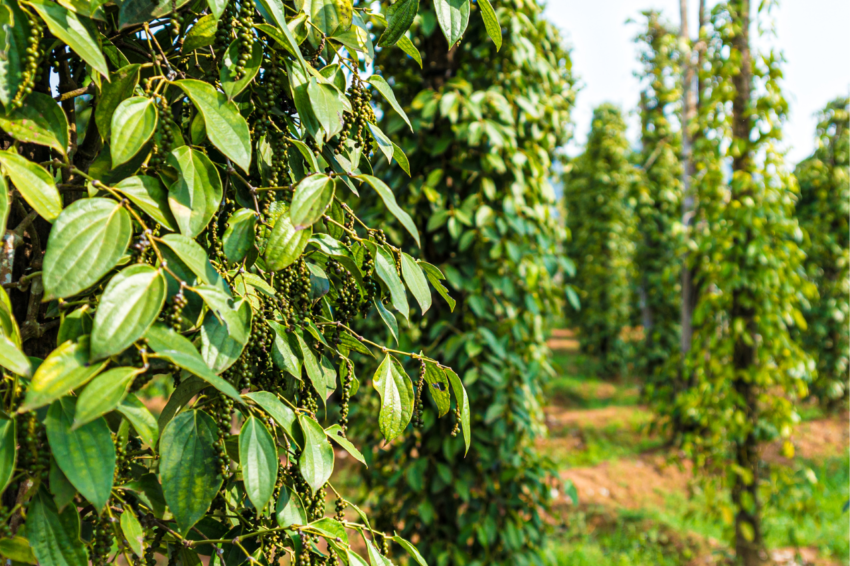
Wayanad, a verdant district in Kerala, is renowned for its picturesque landscapes, rich biodiversity, and thriving spice gardens. The region’s fertile soil and favorable climate make it an ideal location for cultivating a variety of spices, which are integral to both local cuisine and global culinary traditions. Exploring Wayanad’s spice gardens offers a sensory journey through aromatic landscapes, where you can experience the beauty and complexity of spice cultivation firsthand. Here’s a guide to immersing yourself in Wayanad’s spice gardens and understanding the essence of these aromatic treasures.
The Allure of Wayanad’s Spice Gardens
Wayanad’s spice gardens are lush, sprawling estates that cultivate a range of spices including pepper, cardamom, vanilla, ginger, and turmeric. These gardens are often nestled in the rolling hills and misty landscapes of Wayanad, providing a picturesque backdrop to the spice-growing process. The sensory experience of visiting these gardens is as enriching as it is educational, offering insights into the cultivation, harvesting, and processing of spices that are crucial to Kerala’s culinary heritage.
Sensory Experience of Spice Gardens
1. Aromas
The first sensory experience at a spice garden is the aroma. Each spice plant exudes its unique fragrance, creating a rich tapestry of scents. Pepper plants emit a pungent, spicy aroma, while cardamom plants have a sweet, citrusy fragrance. The smell of fresh ginger and turmeric adds an earthy, warm note to the garden’s overall scent profile. The air is often filled with a blend of these captivating aromas, creating a truly immersive experience.
2. Sight
The visual appeal of spice gardens is equally captivating. The vibrant green foliage of pepper vines climbing up wooden supports contrasts with the bright red berries of ripening peppercorns. Cardamom plants have lush, broad leaves and delicate green pods that are a treat for the eyes. The garden’s landscape, with its undulating hills and mist-covered peaks, adds to the overall charm and beauty of the spice-growing environment.
3.Touch
The tactile experience of walking through a spice garden involves feeling the textures of various plants. The rough surface of pepper vines, the smooth leaves of cardamom plants, and the knobby roots of ginger offer a tactile connection to the spices you’re learning about. Visitors often have the opportunity to handle the spices directly, whether it’s picking peppercorns or digging up turmeric rhizomes.
4. Taste
Many spice gardens offer the chance to taste the spices in their fresh, unprocessed forms. Sampling freshly picked peppercorns or cardamom pods provides a direct, unfiltered taste of the spices. Some gardens also offer cooking demonstrations or meals prepared with their spices, allowing visitors to experience how the flavors of fresh spices translate into culinary delights.
Learning and Purchasing
Visiting spice gardens in Wayanad is not only about experiencing the sensory delights but also about learning. Guided tours provide valuable insights into the history and significance of spices in Kerala’s culture and cuisine. You’ll gain knowledge about the traditional methods of cultivation and harvesting, as well as modern practices and sustainability efforts.
Most spice gardens have on-site shops where visitors can purchase freshly harvested spices, spice blends, and spice-based products. These make for excellent souvenirs and gifts, allowing you to bring a piece of Wayanad’s aromatic landscape home with you.
Conclusion
Exploring Wayanad’s spice gardens is a sensory journey that offers a unique blend of education, immersion, and enjoyment. The rich aromas, vibrant visuals, tactile experiences, and flavorful tastes of the spice gardens provide a deep connection to the region’s agricultural heritage and culinary traditions. Whether you’re a spice enthusiast, a food lover, or simply someone who appreciates the beauty of nature, a visit to Wayanad’s spice gardens promises an unforgettable experience that engages all your senses.