
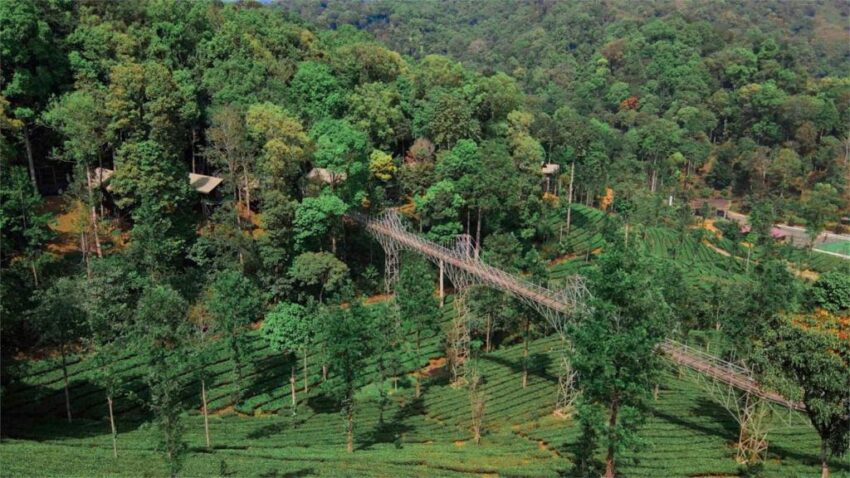
Wayanad, located in the Western Ghats of Kerala, is a region renowned for its rich biodiversity, lush landscapes, and vibrant culture. As tourism grows, there is an increasing emphasis on eco-tourism to ensure that this natural beauty and cultural heritage are preserved for future generations. Eco-tourism in Wayanad focuses on sustainable travel practices that minimize environmental impact, support local communities, and promote conservation. This guide explores the eco-tourism initiatives in Wayanad, offering insights into how travelers can enjoy this beautiful region responsibly.
Principles of Eco-Tourism
Eco-tourism is grounded in the principles of sustainability, conservation, and community involvement. It aims to:
– Minimize environmental impact: By promoting low-impact travel practices and sustainable accommodations.
– Support conservation efforts: Through initiatives that protect wildlife and natural habitats.
– Benefit local communities: By creating economic opportunities and preserving cultural heritage.
– Educate travelers: About the importance of environmental stewardship and cultural respect.
Sustainable Accommodations
Eco-Resorts and Homestays
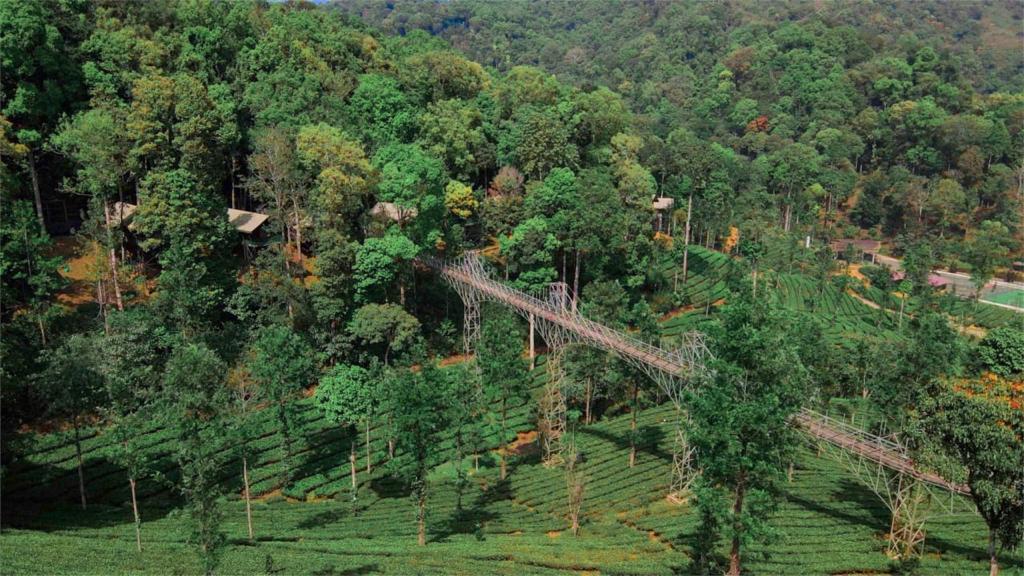
Wayanad is home to several eco-resorts and homestays that adhere to sustainable practices. These accommodations are designed to blend seamlessly with the natural environment and use eco-friendly materials and technologies. They often incorporate renewable energy sources like solar power, practice rainwater harvesting, and implement waste management systems to reduce their environmental footprint.
For instance, the Wild Planet Resort and Wild Planet Bana Hills are renowned for their eco-friendly architecture and sustainable practices. These resorts offer guests a unique experience by immersing them in nature while promoting conservation and responsible tourism.
Community-Based Tourism
Community-based tourism initiatives in Wayanad provide travelers with an authentic experience while directly benefiting local communities. These initiatives often involve staying in local homestays, participating in traditional activities, and learning about indigenous cultures. By choosing community-based tourism options, travelers can ensure that their spending supports local economies and helps preserve cultural heritage.
Conservation Efforts
Wayanad Wildlife Sanctuary
The Wayanad Wildlife Sanctuary, part of the Nilgiri Biosphere Reserve, plays a crucial role in conservation efforts in the region. The sanctuary is home to a diverse range of flora and fauna, including endangered species such as tigers, elephants, and leopards. Eco-tourism initiatives within the sanctuary focus on sustainable wildlife viewing and educational programs.
Visitors can participate in guided safaris, which are conducted by trained naturalists who provide insights into the sanctuary’s ecosystems and conservation challenges. These safaris are designed to minimize disturbance to wildlife and promote awareness about the importance of conservation.
Muthanga and Tholpetty Eco-Tourism Centers
The Muthanga and Tholpetty eco-tourism centers within the Wayanad Wildlife Sanctuary offer eco-friendly tourism activities such as nature walks, bird watching, and bamboo rafting. These centers are managed by the Forest Department in collaboration with local communities, ensuring that tourism activities are sustainable and beneficial to both conservation efforts and the local economy.
Sustainable Travel Practices
Responsible Trekking
Wayanad offers numerous trekking opportunities, from the challenging trails of Chembra Peak to the serene paths of Pakshipathalam. Responsible trekking involves staying on designated trails to prevent soil erosion, avoiding littering, and respecting wildlife habitats. Trekkers are encouraged to carry reusable water bottles, use biodegradable toiletries, and follow the principles of “Leave No Trace” to minimize their impact on the environment.
Eco-Friendly Transport
Travelers can reduce their carbon footprint by opting for eco-friendly transport options such as cycling, walking, or using public transportation. Several tour operators in Wayanad offer cycling tours that allow visitors to explore the region’s scenic beauty while promoting sustainable travel. Additionally, carpooling and using electric vehicles are effective ways to reduce environmental impact.
Supporting Local Communities
Indigenous Culture and Handicrafts
Wayanad is home to various tribal communities, each with its unique cultural heritage. Visitors can support these communities by purchasing local handicrafts, attending cultural performances, and participating in traditional activities. The **Uravu Indigenous Science & Technology Study Centre** in Wayanad promotes bamboo crafts made by local artisans, providing them with a sustainable livelihood while preserving traditional skills.
Agri-Tourism
Agri-tourism is another way to support local communities while experiencing Wayanad’s agricultural heritage. Visitors can stay on working farms, participate in farming activities, and learn about sustainable agricultural practices. This form of tourism not only provides a unique travel experience but also helps support local farmers and promotes sustainable agriculture.
Environmental Education
Many eco-tourism initiatives in Wayanad include educational programs that raise awareness about environmental conservation. Nature camps, guided nature walks, and workshops on sustainable living are offered by various eco-resorts and conservation organizations. These programs aim to educate visitors about the region’s biodiversity, the importance of conservation, and ways to reduce their environmental impact.
Conclusion
Eco-tourism in Wayanad offers a sustainable way to experience the region’s natural beauty and cultural heritage. By choosing eco-friendly accommodations, supporting conservation efforts, practicing responsible travel, and engaging with local communities, travelers can contribute to the preservation of Wayanad’s unique environment. This approach ensures that future generations can continue to enjoy the wonders of Wayanad while promoting a more sustainable and responsible form of tourism. Plan your visit to Wayanad with a focus on eco-tourism and be a part of the movement towards sustainable travel and nature conservation.