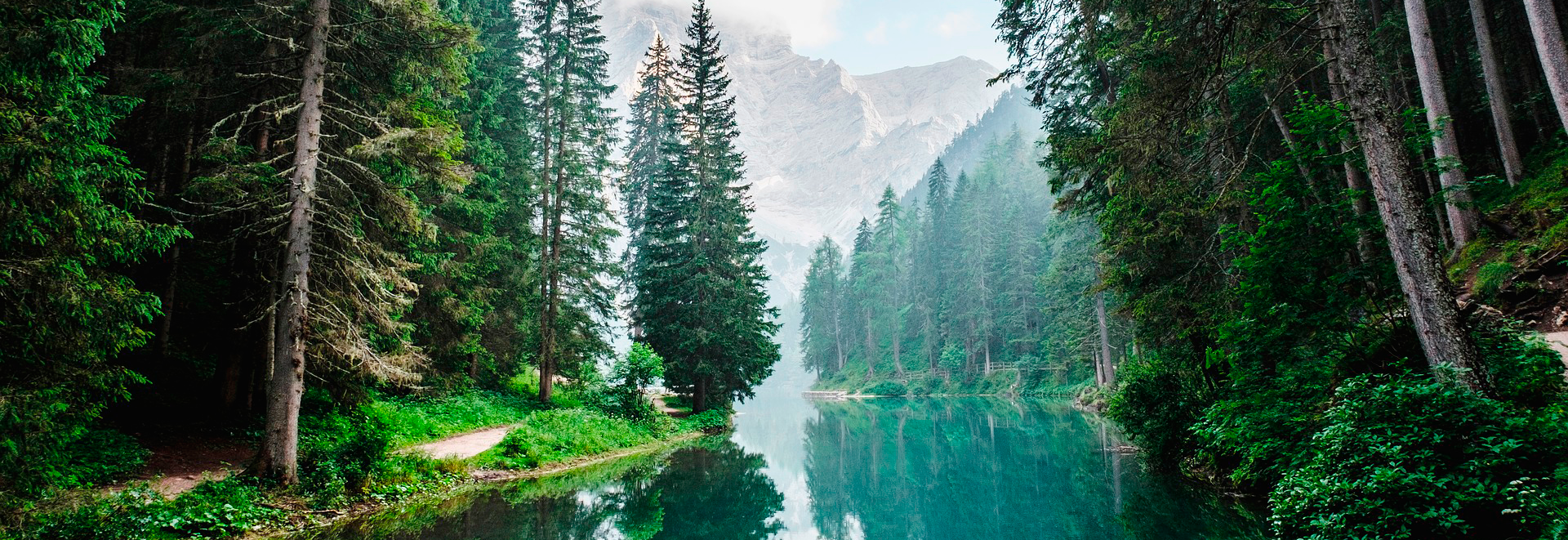
Kabini River is one of the most scenic and ecologically rich rivers in Southern India, located on the border between the states of Kerala and Karnataka. It is part of the Kabini River Basin and is famous for its wildlife sanctuary, natural beauty, and a wide range of outdoor activities, particularly wildlife safaris. The river is also a crucial water source for the Kabini Reservoir, which is a popular tourist spot.
Here’s everything you need to know about the Kabini River and the surrounding areas:
1. Geography and Features of Kabini River
- Source: The Kabini River originates from the Wayanad District in Kerala, rising from the Kabini Hills in the Western Ghats.
- Tributary of the Kaveri: The river is a major tributary of the Kaveri River, which is one of the most important rivers in South India.
- Kabini Reservoir: The river is dammed at the Kabini Reservoir in Karnataka, which serves both as a water supply source and as a scenic lake with rich wildlife. The reservoir covers a large area and is popular for boat rides and birdwatching.
2. Kabini Wildlife Sanctuary
- The Kabini Wildlife Sanctuary, also known as the Nagarhole National Park, lies along the Kabini River and is one of the most significant wildlife reserves in India. It is known for its lush forests, grasslands, and abundant wildlife, including:
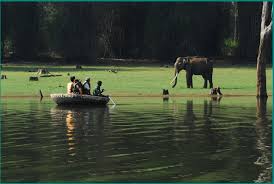
- Elephants: The area is famous for its large elephant herds, and visitors can often spot them along the riverbanks.
- Tigers: Kabini is also home to Bengal tigers, though sightings are rarer compared to elephants.
- Leopards, Sloth Bears, and Wild Dogs: The sanctuary is home to a variety of carnivores, including leopards, dhole (wild dogs), and sloth bears.
- Birdlife: The area is a birdwatcher’s paradise, with numerous species like Indian Pitta, Black-necked Stork, Grey-headed Fishing Eagle, and many migratory species.
3. Wildlife Safaris and Boat Rides
- Jeep Safaris: One of the best ways to explore the Kabini Wildlife Sanctuary is by taking a jeep safari. The safaris take visitors deep into the forest, providing opportunities to spot wildlife, including elephants, tigers, and various species of deer and birds.
- Boat Safaris: The Kabini River itself is a fantastic place for boat safaris. These serene boat rides offer a unique opportunity to spot animals and birds along the water’s edge, particularly elephants drinking or bathing in the river. The boat ride also provides a peaceful way to enjoy the natural beauty of the reservoir.
- Nature Walks: Some resorts in the area offer guided nature walks with local naturalists, where visitors can explore the ecosystem up close and learn about the flora and fauna.
4. Kabini River and Its Role in Conservation
- The river and its surrounding sanctuary play a crucial role in conservation efforts in the region. As part of the Kaveri Basin, the Kabini River helps sustain the forest ecosystem and provides water to many species of wildlife, especially during the dry seasons.
- The area is also a key part of the Nilgiri Biosphere Reserve, a UNESCO-recognized World Heritage Site that encompasses forests and wildlife sanctuaries in Tamil Nadu, Kerala, and Karnataka, contributing to a large-scale effort to preserve biodiversity in the Western Ghats.
5. Ideal Time to Visit Kabini River
- The best time to visit Kabini is during the winter season (from October to March), when the weather is pleasant and wildlife sightings are at their peak.
- Summer (March to June) is another good time for wildlife enthusiasts because, during the hotter months, animals often gather around waterholes, making it easier to spot them. However, temperatures can be high, so it’s advisable to carry water and wear appropriate clothing.
6. Activities at Kabini River
- Birdwatching: Kabini is a hotspot for birdwatching, attracting both amateur and expert ornithologists. Many species of migratory birds, along with resident birds, are found here.
- Fishing: The river is also a popular spot for fishing. Visitors can try their luck at fishing in designated areas, although fishing is often regulated to protect the ecosystem.
- Photography: With its abundant wildlife and stunning landscapes, Kabini is a haven for wildlife photographers.
- Cultural Experiences: Some resorts and tour operators offer cultural programs like tribal dance performances, village tours, and visits to nearby local communities.
Conclusion
The Kabini River is not just a river but a sanctuary of nature, wildlife, and tranquility. Whether you’re looking for adventure, relaxation, or an opportunity to witness the incredible diversity of South India’s flora and fauna, Kabini offers something for everyone. Its wildlife safaris, boat rides, and lush landscapes make it one of the most sought-after eco-tourism destinations in India.